How can we make gender equality a concrete reality? How can we promote and achieve equality between women and men in responsibilities, social and or decision-making opportunities, access to and control over resources?
Data
At the University of Pisa the TRIGGER project promotes structural change to achieve gender equality in medicine and engineering, the two academic fields that show the worst gender figures.
GenderTime (Transferring Implementing Monitoring Equality) is a EU Project with the aim of promoting structural changes in research organizations to overcome the roadblocks that women in science have to face
A EU project with the aim of creating an environment where the capabilities of all the employees of research insititutions are valued, and female researchers are encouraged to develop their professional lives
Seven european universities and research centres combating career instability and asymmetries in academy and research
In the past two decades, various initiatives have been developed at European level to promote greater gender equality in research. In order to hasten change, in 2010 the trend has changed shifting from cultural change to structural change actions in order to defeat gender discrimination. GenisLab was one of the first projects.
The Change Academy Model is at the centre of the methodological framework of the GENOVATE project. It recognises that high education institutions are highly complex social systems: so complex, adaptive and flexible ways of thinking are required in order to create changes.
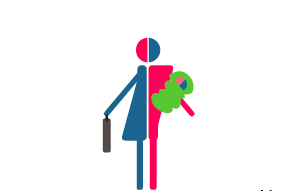
Europe has allarming fertility problems that might lead to welfare and public finance collapse, solution is simple: get men to do the housework!
The reactions to the discovery of Özgecan Aslan’s body, and President Erdogan's statements about gender-sensitive moral issues show how gender today is framed in Turkey. But what kind of gender trends has Turkey really witnessed in the last decade?
The Ministry of Equal Opportunities of Slovenia launched a contest for the visual identity of a project aiming at addressing gender stereotypes. The response to the open call saved several surprises: outcomes and lessons learned from this innovative initiative
A new portal is collecting resources about gender and science. The very first phase of the project was trying to answer two pivotal questions: is it really useful? And for whom? This is how they did it